
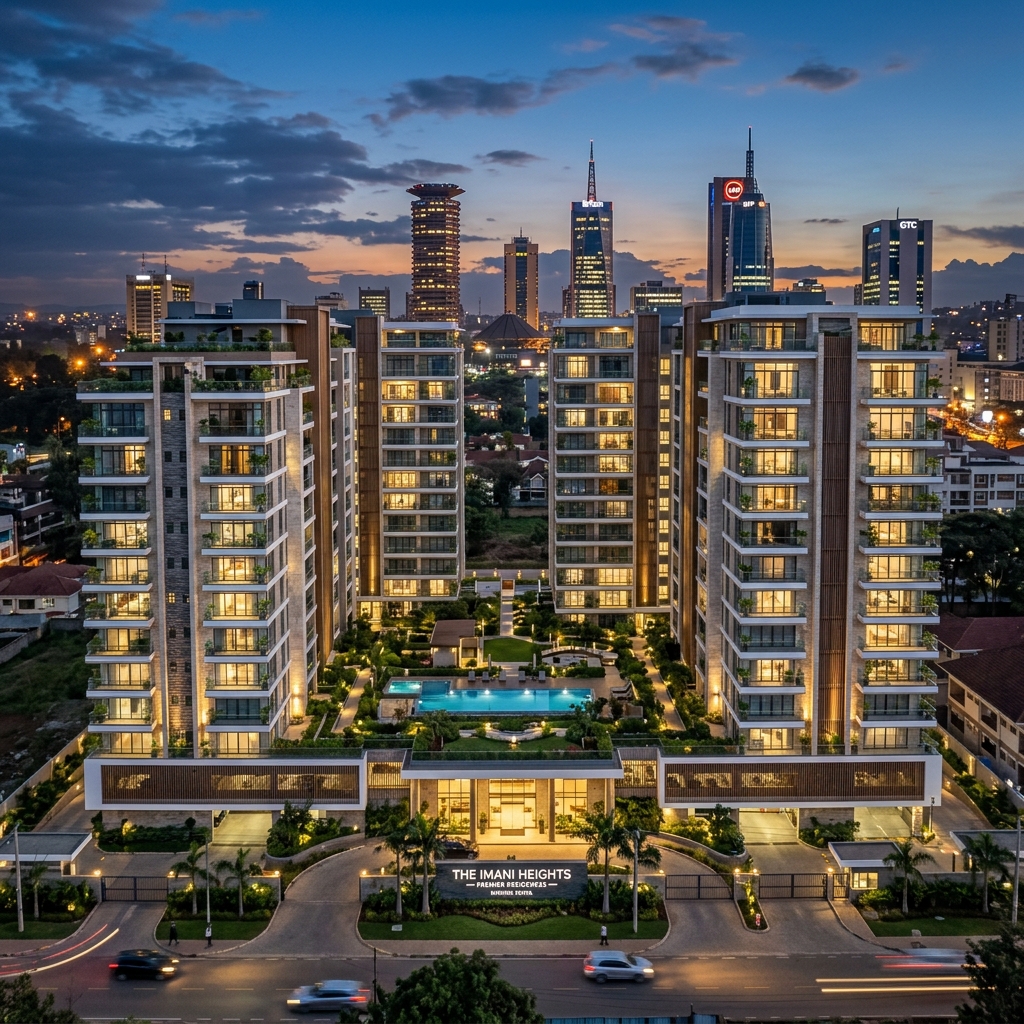
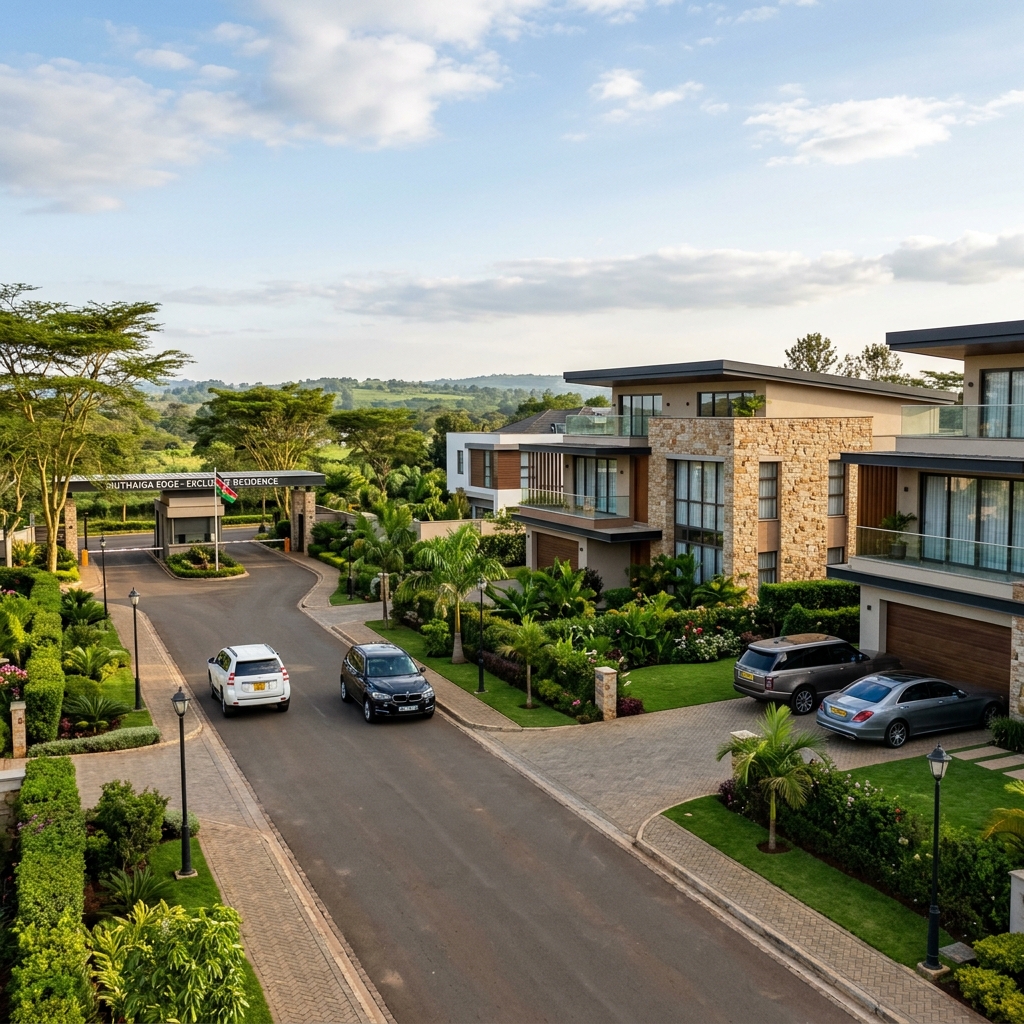

In the rapidly evolving landscape of Kenyan real estate, the year 2026 marks a significant turning point. As infrastructure projects like the Nairobi-Mau Summit Highway approach completion, we are witnessing a tectonic shift in property valuations and urban development patterns.
The Decentralization Trend
For decades, the "Nairobi Central" model dominated investment strategies. However, with improved connectivity and the rise of satellite cities, investors are looking further afield. Kiambu, Machakos, and Kajiado counties have transitioned from mere dormitory towns to robust economic hubs with their own commercial ecosystems.
This shift is not just geographical; it's also behavioral. The post-2025 buyer is more discerning about sustainability and community-driven design. Green spaces, which were once considered "luxury additions," are now core requirements for mid-market residential developments.
"Accreditation is no longer optional; it is the currency of trust in the modern Kenyan market."
— Peter Wairigi, KPRA PresidentProfessional Standards & Ethics
As the market grows, so does the responsibility of the professional realtor. KPRA's commitment to enforcing strict ethical standards ensures that as we scale, we maintain the integrity that our clients expect. The introduction of the New Land Registration Act has further streamlined processes, but it requires realtors to be more informed than ever before.
Members are encouraged to utilize the MLS portal for verified transactions, which has seen a 40% increase in volume since the last quarter. This data-driven approach to real estate is what will define the next decade of success for our members.